


Which Renovations Add the Most Value?
What the resale numbers actually say, where they mislead, and why the highest-return project in the GTA is not the one most homeowners expect.
Return on investment is the most quoted and least understood number in renovation. The headline figures you see published are national averages drawn from appraiser surveys, and they describe how much of your spend is likely to show up in an appraised value — not how much cash you get back, and not how quickly the house sells.
The ranges below follow those commonly cited by the Appraisal Institute of Canada. Treat them as direction, not arithmetic: condition, neighbourhood, quality of work and how long you stay all move the result more than the category does.
| Project | Typical cost recovery | What drives the number |
|---|---|---|
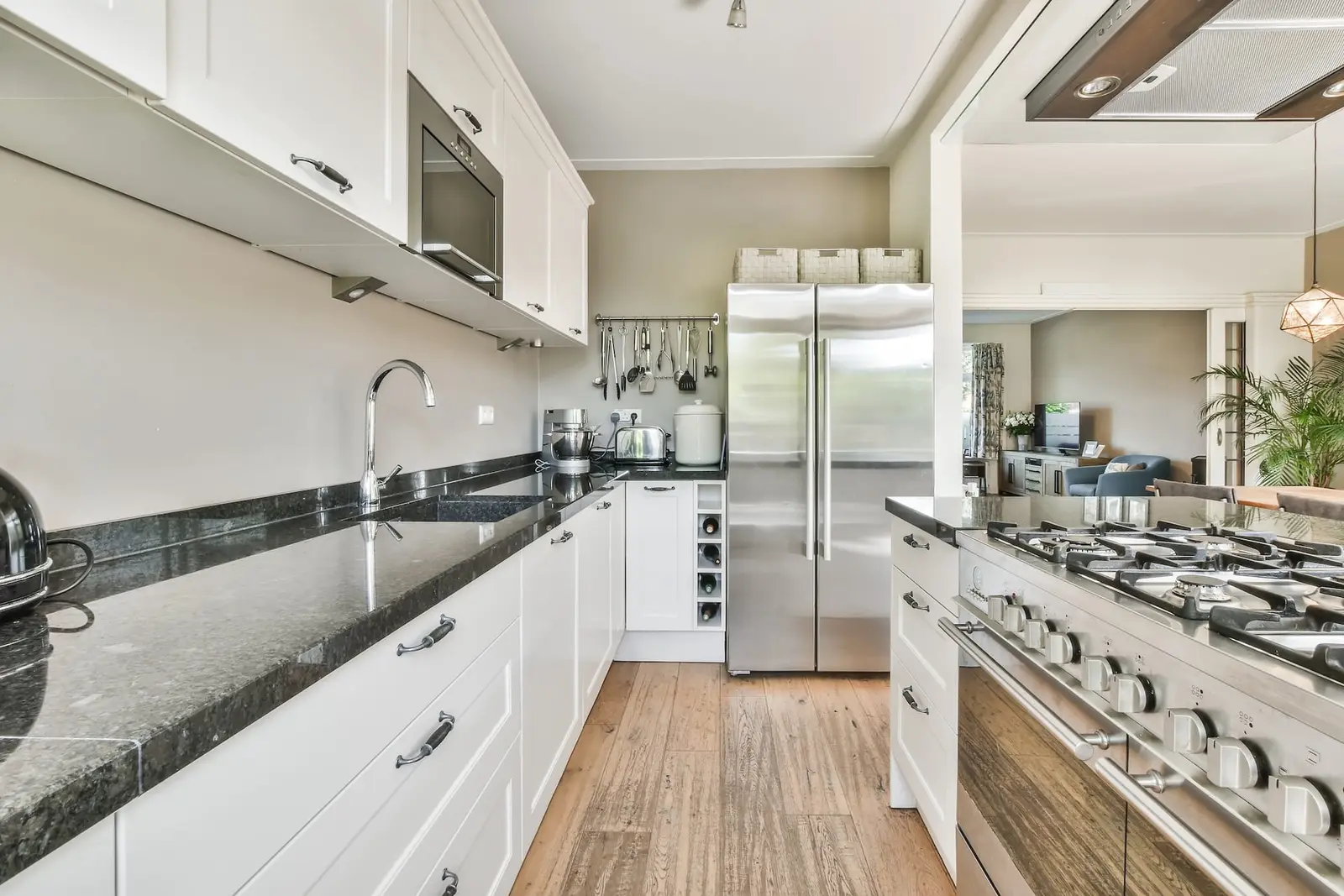
| Kitchen renovation | 75–100% | The room buyers judge a house by. Mid-range renovations tend to recover more proportionally than very high-end ones. |
| Bathroom renovation | 75–100% | High impact for relatively low spend. Adding a bathroom where a home is short of them usually outperforms upgrading one it already has. |
| Basement finishing | 50–75% | Adds substantial usable square footage at a lower cost per foot than building new space above grade. |
| Windows and exterior doors | 50–75% | Rarely exciting, but it shows in inspection reports and energy costs, and buyers notice when it has not been done. |
| Whole home renovation | Varies widely | Depends almost entirely on the gap between the house before and the ceiling the street supports. |
| Home addition | 40–60% | Lowest proportional recovery, because cost per square foot is highest. Chosen for the space, not the return. |
| Legal secondary suite | Different maths entirely | Generates monthly income rather than one-time resale lift. See below. |
The exception: income-generating space
One category behaves completely differently from everything above, and it is the one most often overlooked.
Why a legal suite breaks the model
Every other project on this page is measured against resale value at a single future moment. A legal secondary suite produces monthly rental income for as long as you own the property, which means it is assessed on yield rather than cost recovery — and unlike a new kitchen, it keeps paying whether or not you ever sell.
Lenders treat it differently too. Where a suite is legal and documented, rental income can often be counted when refinancing, which changes what the property can support. Our guide to financing a basement suite covers how that works.
What makes a suite count
The word doing the work is legal. An unpermitted basement apartment is not an asset at resale — it is a disclosure problem, an insurance risk and, in some municipalities, an order waiting to be issued. A suite only carries value if it satisfies Code requirements for ceiling height, egress, fire separation and, where required, parking, and is registered with the municipality.
Those requirements differ across the GTA, which is why a layout that works in one city may need rethinking in the next. See permits and approvals.
Renovating versus moving
For a lot of GTA homeowners the real question is not which renovation returns most, but whether to renovate at all.
The cost of moving is not just the house
Land transfer tax, real estate commission, legal fees, moving costs and the price gap to the next property up. In Toronto, where municipal land transfer tax applies on top of the provincial charge, the transaction cost of trading up is substantial before you have gained a single square foot.
Renovating keeps what you already chose
School catchment, commute, neighbours, the mature trees on the street. These are the things people most regret losing and the hardest to price. Clients regularly tell us the deciding factor was not money but that they did not want to leave the area.
When moving genuinely wins
When the house cannot deliver what you need at any reasonable cost — a lot too small to extend, a layout that cannot be opened up, or a budget that would push the property well beyond what the street supports. We will tell you when that is the case rather than sell you a project that does not make sense.
Overbuilding for the street
The most common way to lose money on a renovation is to finish a home to a standard the surrounding sales cannot justify. There is a practical ceiling on every street, and spending past it recovers very little. This is the first thing we look at on a whole-home project.
Value questions
Which renovation adds the most value to a home?
For straightforward resale value, kitchens and bathrooms consistently recover the largest share of their cost. For total financial return, a legal secondary suite usually outperforms everything else, because it produces ongoing rental income rather than a one-time lift in appraised value.
Does a finished basement increase home value?
Yes, typically recovering somewhere in the 50 to 75 per cent range of its cost, and it adds usable square footage more cheaply than building above grade. If the basement is finished as a legal suite, the calculation changes entirely because income enters the picture.
Is it cheaper to renovate or move?
It depends on the gap between what your home can become and what you need. Once land transfer tax, commission, legal and moving costs are counted, the transaction cost of trading up in the GTA is high enough that renovating often competes well — particularly if you want to stay in the same neighbourhood.
Will a renovation increase my property taxes?
Significant improvements can prompt a reassessment of your property’s assessed value, which affects the tax calculation. Interior finishes generally have less impact than additions or new square footage. Your municipality and MPAC are the authorities on how any specific project is treated.
Should I renovate before selling?
Sometimes, but selectively. Targeted work — a dated bathroom, tired flooring, poor curb appeal — usually pays better before a sale than a full renovation, because a buyer rarely pays a premium for someone else’s finish choices. If you are staying five years or more, build for yourself instead.
Related reading
Value depends heavily on which project you choose and where the property is. These go deeper on both.
The projects that pay are the ones you live in
Almost nothing returns more than it costs. A renovation is a way to get the home you actually want while protecting most of the money you put into it.
Find out what your project is worth doing
We will give you an itemised estimate and a straight view on whether the work makes sense for your home and your street.
Get a Free Quote